
New items added weekly - free shipping on orders over $70 for our friends and neighbors in Minnesota

Earn rewards when you shop in-store & online

Atlas | Feb 3

Small Animal Care Guide: Rabbits, Guinea Pigs, Hamsters, Ferrets, Chinchillas & More

Small animals make excellent pets for a wide range of households. From playful rabbits and social guinea pigs to curious ferrets and delicate chinchillas, these pets can bring a lot of personality and joy into your home—especially when their care needs are properly understood.

Even though they’re small in size, many of these animals have very specific requirements for housing, diet, enrichment, and handling. This guide covers the essentials so you can set your pet up for a healthy, comfortable life.

Choosing the Right Small Pet for Your Home

Each species has a very different temperament, activity level, and care requirement. Choosing the right one is the most important first step.


Rabbits: Intelligent, social, and longer-lived (8–12 years). Need space and daily interaction.

Guinea Pigs: Gentle, vocal, and social animals that do best in pairs or groups.

Hamsters: Independent, low-maintenance, and typically solitary. Great for beginners.

Gerbils & Mice: Active, curious, and fun to observe in groups.

Ferrets: Highly intelligent, playful, and energetic. Require lots of supervised out-of-cage time and enrichment.

Chinchillas: Sensitive, clean, and active at dusk/night. Require cool temperatures and specialized dust baths.


When choosing, consider:

• Daily time for interaction and care

• Space for proper housing and exercise

• Budget for food, bedding, and veterinary care

• Noise, odor, and activity level preferences

Housing: Creating a Safe and Comfortable Habitat

Proper housing is one of the most important parts of small animal care—and each species has different needs.


General Housing Principles

• Provide the largest safe enclosure possible

• Ensure good ventilation and temperature controlInclude hiding spaces for security

• Use safe, chew-resistant materials where appropriate


Species-Specific Needs

• Rabbits: Large indoor enclosures or exercise pens with daily free-roam time

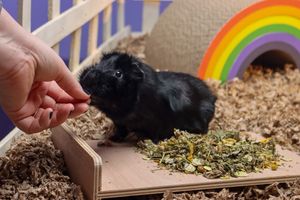
• Guinea Pigs: Wide, flat habitats (they do not climb)

• Hamsters: Deep bedding for burrowing and enclosed, secure tanks

• Gerbils & Mice: Chew-proof enclosures with enrichment for digging and climbing

• Ferrets: Multi-level cages plus several hours of supervised out-of-cage play daily

• Chinchillas: Tall, well-ventilated cages with multiple levels and chew-safe materials


Special Notes

Ferrets are escape artists—secure latches are essential

Chinchillas overheat easily, so cool room temperatures are critical (not a warm environment pet)


Nutrition: Feeding Your Small Animal Properly

Diet is essential for long-term health and varies significantly between species.


Core Guidelines

• Species-appropriate high-quality pellets

• Fresh water available at all times

• Limited, controlled treats

• Fresh hay for herbivores like rabbits and guinea pigs


Species Highlights

• Rabbits & Guinea Pigs: Require constant hay and fiber for digestive health

• Guinea Pigs: Must get Vitamin C daily through food or supplements

• Hamsters, Gerbils, Mice: Balanced seed/pellet mixes with occasional fresh foods

• Ferrets: Obligate carnivores—require high-protein, meat-based diets

• Chinchillas: High-fiber diets with specialized pellets and hay; very sensitive digestion

Avoid sudden diet changes, as many small animals have sensitive digestive systems.

Enrichment: Preventing Boredom and Stress

Small animals are intelligent and need daily stimulation.


Enrichment ideas:

• Chew toys (essential for dental health)

• Tunnels, hideouts, and burrowing areas

• Exercise wheels (solid surface only)

• Foraging toys and scatter feeding

• Climbing structures (species-dependent)


Ferret-specific enrichment:

Ferrets especially need interactive play, tunnels, and rotation of toys due to their high intelligence and curiosity.


Chinchilla-specific enrichment:

Chew toys are critical, as chinchillas have continuously growing teeth and strong chewing instincts.

Handling and Socialization

Most small animals require time to build trust, and handling should always be gentle.

Tips:

• Move slowly and avoid sudden grabbing

• Let the animal approach you when possible

• Support the full body when lifting

• Keep early interactions short and positive

• Be consistent—trust builds over time


Important differences:

Guinea pigs and rabbits often enjoy gentle interaction

Hamsters may prefer limited handling depending on personality

Ferrets are typically very social and interactive

Chinchillas can be shy and require calm, quiet handling

Cleaning and Maintenance

A clean habitat is essential for health and odor control.


Routine care:

• Daily spot cleaning (waste and uneaten food)

• Regular bedding changes

• Weekly or biweekly deep cleaning depending on species and cage size

• Frequent washing of food and water containers


Special notes:

• Ferret and rabbit enclosures often require more frequent cleaning due to odor and waste output

• Chinchillas require dust baths (not water baths) to maintain coat health


Common Health Signs to Watch For

Small animals often hide illness, so subtle changes matter.


Watch for:

• Reduced eating or drinking

• Lethargy or decreased activity

• Weight loss

• Diarrhea or abnormal droppings

Sneezing, discharge, or breathing changes

• Overgrown teeth (common in rabbits, guinea pigs, chinchillas)

• Changes in behavior or social interaction


If you notice any of these symptoms, consult a veterinarian experienced with small animals as soon as possible.

Final Thoughts

Small animals can be incredibly rewarding pets when their unique needs are met. From the social nature of guinea pigs to the intelligence of ferrets and the delicate care needs of chinchillas, each species brings something different to a home.


With the right habitat, diet, and daily care, these pets can thrive and form strong bonds with their owners.


At Atlas Pet Supply, we can help you choose the right setup for your specific pet and guide you toward the proper food, bedding, and enrichment products to keep them healthy and happy.


More Posts

Flea and Tick Season in Minnesota: How to Protect Your Dog This SummerFlea and Tick Season in Minnesota: How to Protect Your Dog This Summer
Flea and Tick Season in Minnesota: How to Protect Your Dog This Summer

Summer in Minnesota means more time outdoors with your dog—whether you're hiking local trails, spending weekends at the cabin, visiting parks, or simply enjoying your backyard. Unfortunately, warmer weather also brings an increase in fleas and ticks, which can pose serious health risks for dogs and their families.

Understanding when flea and tick season starts, where pests are most commonly found, and how to prevent infestations can help keep your dog healthy all summer long.

Fireworks Anxiety in Dogs: How to Help Your Dog Get Through July 4thFireworks Anxiety in Dogs: How to Help Your Dog Get Through July 4th
Fireworks Anxiety in Dogs: How to Help Your Dog Get Through July 4th

If your dog hates fireworks, you’re definitely not alone. For a lot of dogs, the Fourth of July (and honestly the whole stretch of summer nights with fireworks) can be one of the most stressful times of the year.


What feels like celebration to us can feel loud, unpredictable, and honestly overwhelming to them. The good news is there are a lot of simple things you can do to make it easier on them.

Fish Care Guide: Everything You Need to Know About Aquarium Fish CareFish Care Guide: Everything You Need to Know About Aquarium Fish Care
Fish Care Guide: Everything You Need to Know About Aquarium Fish Care

Keeping fish can be one of the most rewarding hobbies for pet owners of all experience levels. From colorful freshwater community tanks to specialized aquarium setups, fish bring beauty, relaxation, and fascination into any home.


Whether you're setting up your first aquarium or looking to improve your current tank, understanding the basics of fish care is essential for maintaining a healthy aquatic environment. This guide covers aquarium setup, water quality, fish nutrition, maintenance, and common fishkeeping best practices.

Self-Serve Pet Wash in Minnesota: The Easiest Way to Keep Your Pet Clean (Without the Mess at Home)Self-Serve Pet Wash in Minnesota: The Easiest Way to Keep Your Pet Clean (Without the Mess at Home)
Self-Serve Pet Wash in Minnesota: The Easiest Way to Keep Your Pet Clean (Without the Mess at Home)

Bathing your dog at home sounds simple—until you’re crouched in the tub, soaked clothes, fur everywhere, and your dog plotting their escape.

That’s why more pet owners in Spring Lake Park are switching to a faster, cleaner, and less stressful option: self-serve pet wash stations right here in-store.

If you’ve been searching for an easier way to keep your dog clean, our in-store pet wash is built for exactly that.

<p>Dog Heat Safety in Minnesota: How to Keep Your Dog Safe in Hot Weather</p><p>Dog Heat Safety in Minnesota: How to Keep Your Dog Safe in Hot Weather</p>

Dog Heat Safety in Minnesota: How to Keep Your Dog Safe in Hot Weather

Minnesota summers can be dangerous for dogs, especially during high humidity and pavement heat spikes. Unlike humans, dogs don’t sweat efficiently, which makes overheating a serious risk.

Bringing Home a New Dog: What You Need to Be ReadyBringing Home a New Dog: What You Need to Be Ready
Bringing Home a New Dog: What You Need to Be Ready

Bringing home a new dog is exciting—but it can also feel a little overwhelming once reality sets in. Between the excitement of picking them up and the first night at home, there’s a lot happening at once.

Most people focus on the obvious things like food and a bed. But the dogs that settle in the easiest usually have a few more basics covered from the start—comfort, routine, and a calm environment.

This guide walks through what you actually need before and after bringing your new dog home so the transition is smoother for both of you.

Why Is My Cat Peeing Outside the Litter Box? (And What to Do About It)Why Is My Cat Peeing Outside the Litter Box? (And What to Do About It)
Why Is My Cat Peeing Outside the Litter Box? (And What to Do About It)

Few things frustrate cat owners faster than finding an accident outside the litter box. It feels random, maybe even a little personal—but in most cases, it’s actually your cat trying to communicate that something isn’t right.

The important thing to know upfront: cats don’t do this out of spite. When litter box habits change, there’s usually a reason behind it, and it’s often fixable once you narrow it down.

Reptile Care Guide: Everything You Need to Know About Caring for ReptilesReptile Care Guide: Everything You Need to Know About Caring for Reptiles
Reptile Care Guide: Everything You Need to Know About Caring for Reptiles

Reptiles have become increasingly popular pets thanks to their fascinating behaviors, unique appearances, and wide variety of species. From bearded dragons and leopard geckos to ball pythons, tortoises, and aquatic turtles, reptiles can make rewarding companions when their specialized care needs are properly met.

Unlike dogs and cats, reptiles rely heavily on their environment to regulate body temperature, digestion, and overall health. Understanding habitat setup, heating, lighting, nutrition, and maintenance is essential for long-term success.

This reptile care guide covers the fundamentals of reptile ownership and provides an overview of the key factors that help reptiles thrive.

Cat Care Guide: Everything You Need to Know About Caring for Your CatCat Care Guide: Everything You Need to Know About Caring for Your Cat
Cat Care Guide: Everything You Need to Know About Caring for Your Cat

Cats are among the most popular pets in the world, known for their independence, playful personalities, and ability to fit into a wide variety of households. Whether you've recently adopted a kitten or you're caring for a senior cat, understanding the basics of cat care is essential for helping your feline companion live a long, healthy, and happy life.


This cat care guide covers the fundamentals of nutrition, litter box setup, enrichment, grooming, and health so you can feel confident providing the best care for your cat.